
Brazil’s Election Leaves Investors Wary
Lula’s win, new dividend taxes and a proposed spending plan put Brazil’s economic direction under scrutiny.

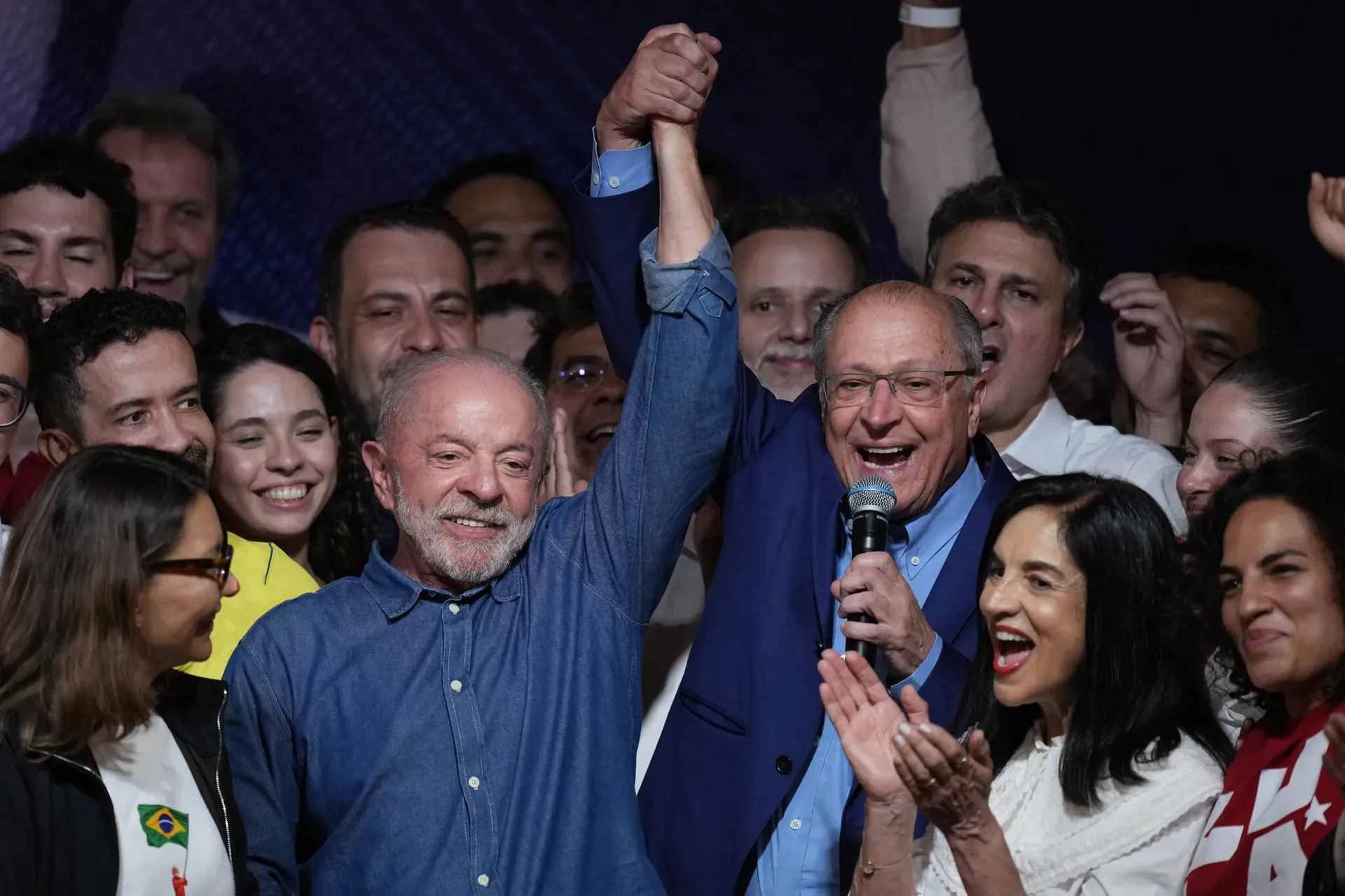
Brazil’s markets fell sharply after Lula’s reelection. New dividend taxes and a proposed fiscal plan add to concerns about investment, debt and the risk of money moving abroad.
Brazil’s October election returned Luiz Inácio Lula da Silva for a fourth term as president.
And despite the initial celebrations among the self-declared “protectors of democracy,” markets reacted quickly, and not well. The real, Brazil’s currency, fell 12% against the U.S. dollar, while stocks dropped nearly 14% the next day.
Taxes are part of the concern. Since January, people earning up to 5,000 Brazilian reais a month pay no income tax. A new law requires 10% tax to be withheld from monthly dividend payments, meaning company profits paid to shareholders, when a single company pays an individual more than 50,000 reais in a month.
The same 10% withholding tax applies to dividends paid abroad. The law also sets a minimum tax for people whose annual income exceeds 600,000 reais. The minimum rate gradually rises to 10% for those earning 1.2 million reais or more.
This search for alternatives began before the election. In 2024, Settee’s CEO told Brazilian broadcaster Band that his firm was seeing more Brazilian startups and wealthy families setting up companies and bank accounts abroad, citing taxes and uncertainty.
Production is moving across the border, too. At least 179 Brazilian-owned companies operate in Paraguay under its maquila program, which lets companies make goods there for export and charges a single 1% tax on the value added in Paraguay or the export invoice, whichever is higher.
Forty-seven have set up operations there in the past five years. Lupo, Karsten and Kidy have opened plants or shifted production there; six Brazilian groups invested over US$182 million in Paraguayan plants in 2025 and 2026. Many still operate in Brazil, but some production and investment have moved.